

Books

Holding Space Without Losing Yourself is a compassionate guide for counseling students, interns, and early-career therapists navigating the inner landscape of this profession. With grounded insight and practical tools, this book will help you:
-
Stay present without becoming emotionally overwhelmed
-
Set boundaries that protect your energy and purpose
-
Recognize early signs of burnout and vicarious trauma
-
Use supervision as a space for growth, not performance
-
Create a rhythm of care that supports you long-term
This book is an invitation to build a sustainable practice from the inside out, one rooted in reflection, resilience, and the understanding that your well-being matters, too.
Because your presence is the most powerful intervention you offer.
And it deserves to be protected.
*Click on the cover to purchase the book

Treatment planning is one of the most challenging and most misunderstood skills for emerging therapists. Graduate programs often teach what a treatment plan is, but far less attention is given to how to write plans that are clinically sound, client-centered, measurable, and defensible in real-world practice.
Treatment Planning for Emerging Therapists bridges that gap.
Written specifically for counseling students, interns, and newly licensed professionals, this book provides a clear, step-by-step framework for developing treatment plans that actually guide therapy rather than exist solely for compliance. Readers are walked through each section of a treatment plan, target problems, goals, SMART objectives, and interventions, with practical explanations, clinical reasoning, and real-world examples that reflect the complexity of modern mental health practice.
This book emphasizes:
-
Writing measurable treatment plans that demonstrate progress over time
-
Aligning treatment planning with ethical practice, client autonomy, and cultural responsiveness
-
Translating theory into practical, evidence-based interventions
-
Documenting treatment in ways that are audit-ready and insurance-defensible
-
Adapting treatment plans for behavioral change, insight-oriented work, and varying stages of readiness
Throughout the book, mock client case studies bring concepts to life, including full treatment plan walkthroughs that model both action-focused and insight-oriented approaches. Special chapters address documentation language, working with minors and guardians, supervision considerations, and how to revise treatment plans as clients grow and change.
Whether you are learning treatment planning for the first time or refining your skills in practicum, internship, or early professional practice, Treatment Planning for Emerging Therapists offers the clarity, structure, and confidence needed to write plans that truly support meaningful clinical work.
*Click on the cover to purchase the book
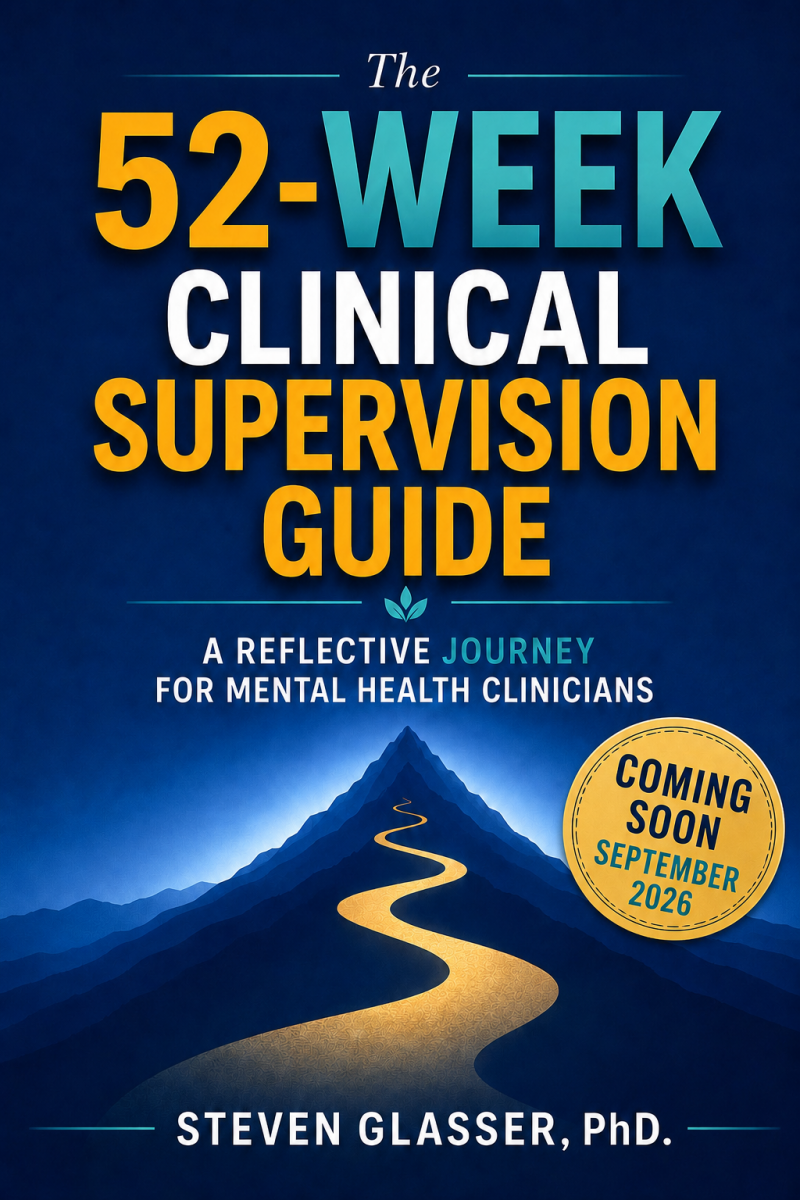
Clinical supervision is where competent counselors become exceptional clinicians.
Whether you are a supervisor guiding the next generation of mental health professionals or a supervisee working toward independent practice, The 52-Week Clinical Supervision Guide provides a practical roadmap for meaningful professional growth.
Designed as a year-long supervision companion, this book offers 52 structured weekly supervision topics that move beyond routine case reviews to develop the clinical judgment, ethical decision-making, self-awareness, and professional confidence every counselor needs. Each chapter is intentionally designed to guide one week of supervision and includes reflective discussion, realistic clinical decision points, supervision questions, and opportunities for deeper professional development.
This guide can be used during weekly individual or group supervision sessions or as a supplemental resource to strengthen supervision conversations throughout a clinician's career.
Inside you'll explore topics including:
- Developing your unique clinical identity beyond graduate school
- Navigating imposter syndrome and building professional confidence
- Managing therapeutic ruptures and repairing the counseling relationship
- Recognizing countertransference before it impacts client care
- Working with treatment-resistant and high-conflict clients
- Strengthening clinical judgment through complex decision-making
- Balancing personal values with ethical, client-centered practice
- Preventing burnout while sustaining a meaningful counseling career
- Developing the clinical wisdom that cannot be learned from a textbook
- Transitioning from supervised clinician to confident, independent practitioner
And so much more.
Supervision is more than meeting licensure requirements. It is the process of becoming the kind of clinician clients trust, colleagues respect, and future supervisees aspire to become.
One year. Fifty-two conversations. A lifetime of clinical growth.
Resources
Insurance: